Setting Gate Posts in Austin Clay and Limestone
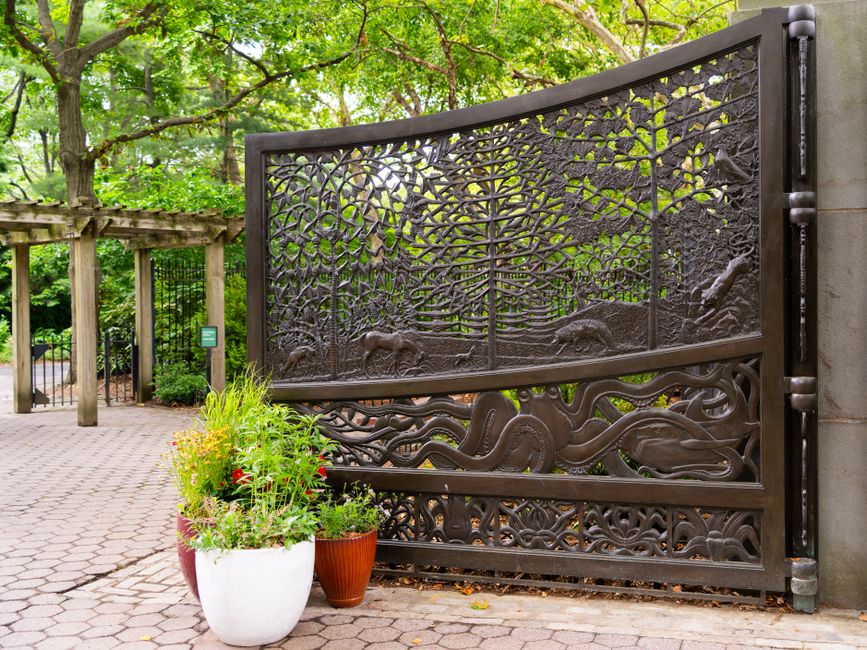
The scrape of a gate dragging across a driveway usually starts below ground, at a post that has moved. Every teardown austin metal gate installation apollo pony has logged traces a sagging metal gate back to the footing and not to the hinge. In Austin, TX the ground changes character along the Balcones Fault, and a post that holds on one side of town can walk on the other.
Clay east of the fault
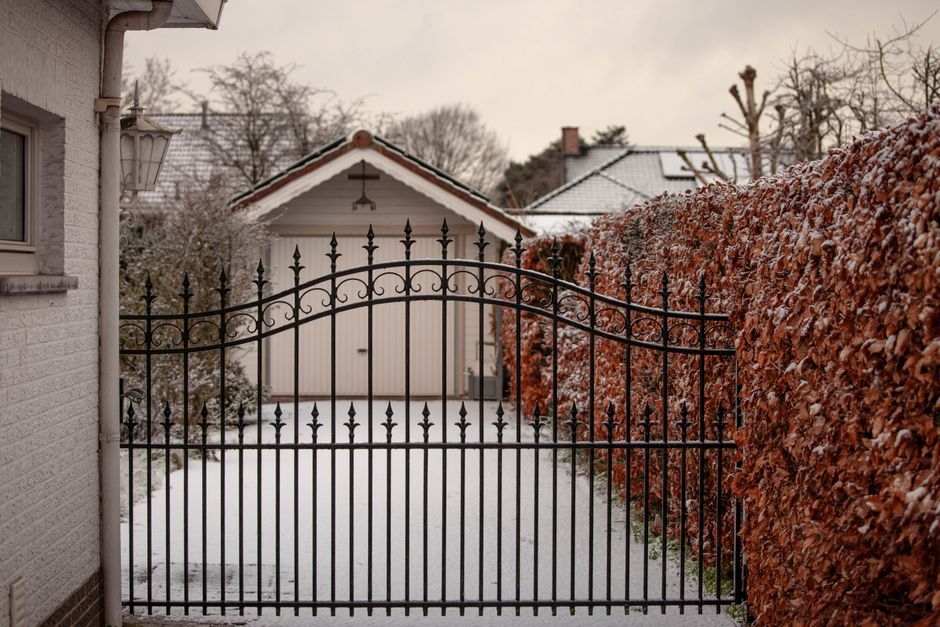
East of the Balcones Fault, around Mueller and toward the Colorado River, the soil is expansive clay that swells in wet weather and shrinks hard in a drought. A narrow post hole gets squeezed and released with the seasons, and a heavy steel gate on top of it leans a little more each year. A crew digs deeper, flares the bottom of the hole into a bell, and sets the post in a full footing of concrete.
Limestone toward the hills
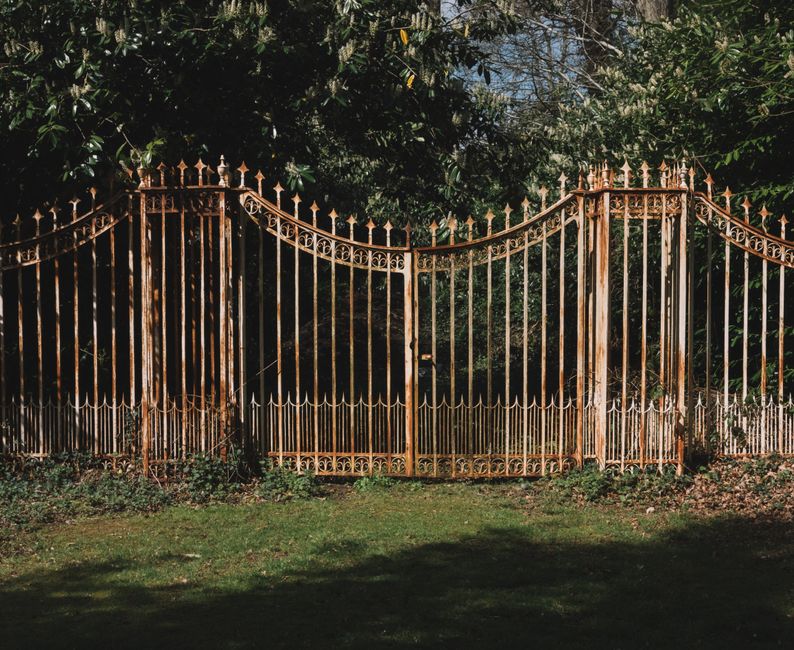
West of the fault, near Mount Bonnell and toward the Texas Hill Country, rock sits a foot or two under the surface. A bar will not dig through it, so crews drill. The advantage is that a post anchored in solid limestone does not move, and the footing can be shallower. The risk is a hole that hits a ledge halfway down and slants.
Rebar and steel posts
Larger posts of heavy steel tubing carry a cage of rebar in the footing so the concrete cannot crack across the pull of a swing gate. A post anchor bolted onto a slab uses a base plate and chemical anchors instead. On a leaf with an operator or a gate opener, the hinge post takes the most load and gets the biggest footing.
Plumb, then wait
The post is held plumb with braces on two faces while the concrete sets, and checked with a level again after the first hour. Concrete takes days to reach working strength, so the gate is not hung until the footing has cured. Hanging it early is the quiet reason many new posts lean.
Water around the footing
Water that pools around a post soaks the clay and loosens rock fill alike. The top of the concrete is sloped away from the post, and downspouts are kept clear of it. On lower ground near a creek the footing is larger again, since saturated soil holds less.
What a leaning post tells a crew
A post that leans toward the swing side needs a deeper footing or a lighter leaf. One that leans away has usually been pulled by a wet winter in clay. The answer is rarely just straightening it.