Aluminum or Steel Gate for an Austin Yard
The ring of a hammer on aluminum tubing is hollow and light, and the same hit on steel gives a short dull knock, which tells a crew most of what it needs to know before a tape comes out. Every teardown austin metal gate installation apollo pony has logged shows the same thing: the metal decides how the hinge, the post and the finish behave for years afterward. A yard in Austin, TX gets that choice wrong more often from habit than from need, because the gate hanging on the neighbor's fence is rarely the right gate for the next lot over.
Weight on the hinge

A steel single swing gate wide enough for a car pulls on its hinge post every time it opens. Aluminum of the same width is far lighter, so it hangs from a smaller post and a lighter hinge without leaning the post over a season. On a wide leaf that difference is the whole job.
How each one welds
Steel frame work goes together with a basic wire machine and forgives a little mill scale. Aluminum wants a clean joint, its own filler wire and careful heat, since thin tubing warps if the weld is rushed and the picket spacing walks out of square. A shop that does both will say plainly which one it does better.
Rust, oxide and the ground it stands on
Aluminum does not rust. It dulls to a pale oxide and stays sound. Steel needs a galvanized layer or a powder coat to last, and any scratch in either becomes the place where rust starts. Yards on the low ground along the Colorado River stay damp and collect sprinkler overspray, which is hard on steel. Lots toward the Texas Hill Country sit on dry limestone, where a nicked steel rail takes much longer to go orange.
Where wrought iron fits
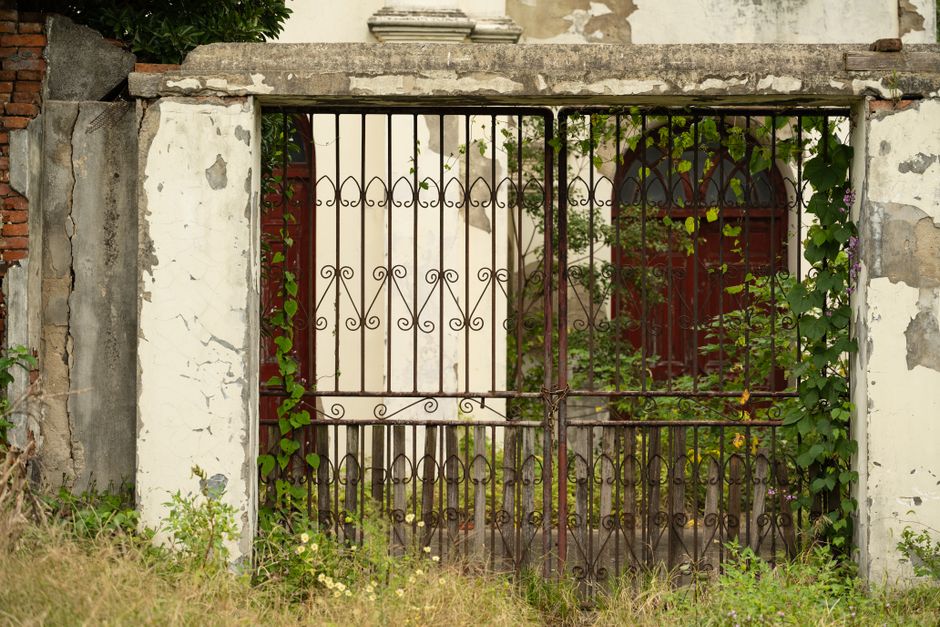
True wrought iron is rare now. Most gates sold under that name are mild steel bent and welded into scrolls, so the steel rules above apply to them. Real old iron, still hanging on some Travis County lots, is worth keeping and repairing rather than replacing.
Span, wind and automation
A long span in steel keeps its shape without extra bracing. Long aluminum spans need a heavier frame or a diagonal brace, or the latch end drops. If the gate will carry a gate opener or an operator, the leaf weight sets the motor size, and lighter leaves put less strain on the actuator through a hot summer of daily cycles.
How a crew decides
The questions come in a fixed order: how wide the opening is, how much wind the lot catches, whether an operator is planned, how wet the ground stays, and what the fence beside it is made of. A hilltop yard near Mount Bonnell with wind and dry rock points one way. A damp yard on the flat near the river points the other.