Metal Gate Care Through an Austin Year
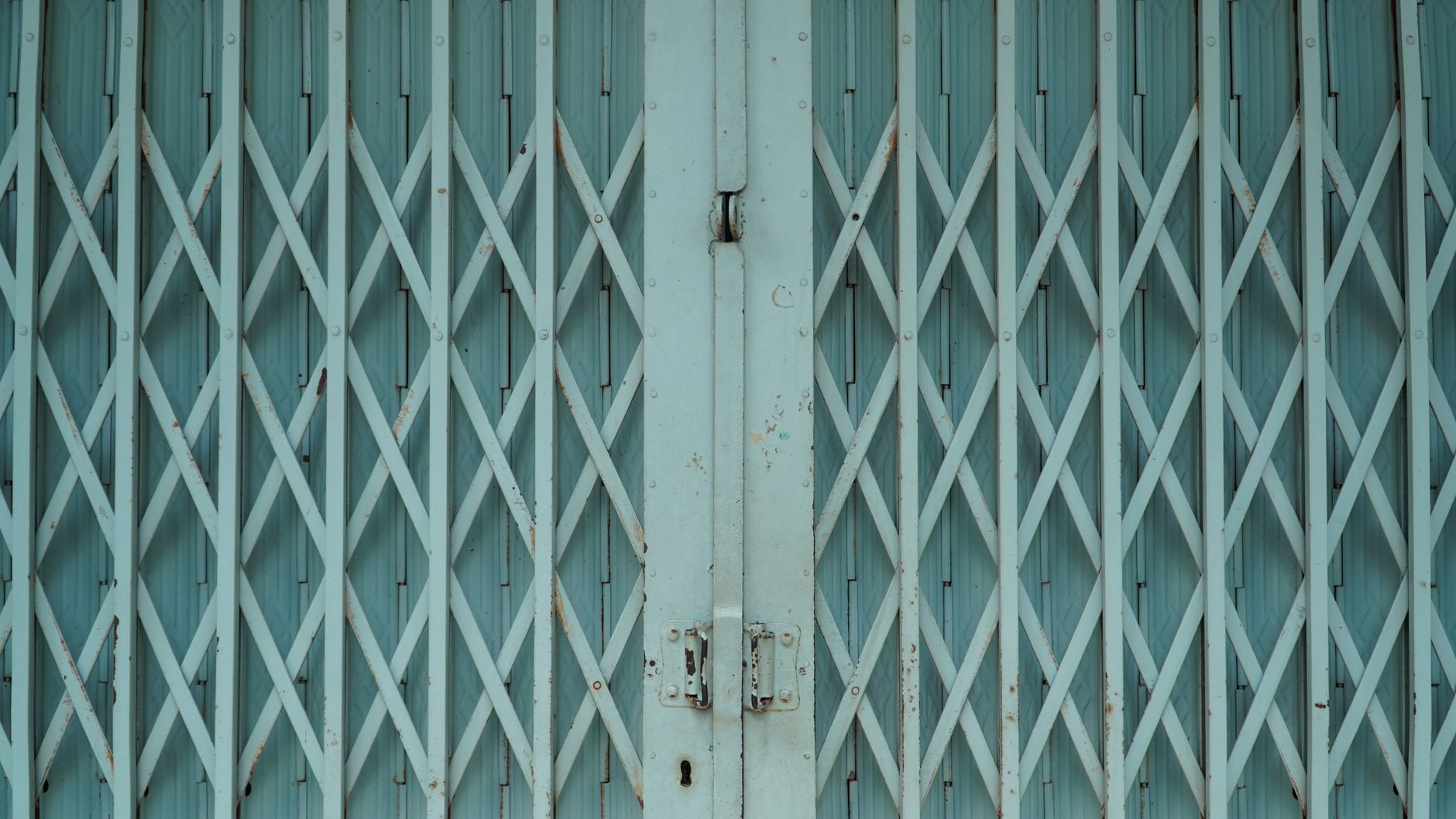
A metal gate looks maintenance free until the first hot August, when a latch starts to stick and a hinge begins to groan. Austin gives a gate a hard year: months of sun that bake the finish, a few weeks of heavy rain that soak the ground around the posts, and the occasional freeze that nobody planned the hardware for. The questions below come up on side yards, pool gates and driveway gates around the city, and the answers are the ones a crew gives at the gate itself.
How often should a metal gate be looked over?
Twice a year is enough for most gates, once before the long summer and once after the wet months. A spring check catches anything that shifted over winter, and a fall check finds what the heat did. Pool gates earn a quicker look every month or two, since the latch is a safety part. The inspection takes minutes: open the gate fully, let it swing shut, and watch what the latch does.
What should be checked on the hinges?
Watch the hinge from the side while the gate opens and closes. A hinge that squeaks needs a small amount of lubricant on the pin, a drop of light oil or a dry film spray that does not collect grit. A hinge that wobbles has worn bushings or a loose post, and oil will not fix either. Look for rust stains running down from the hinge, since zinc or paint has often been worn off at the pivot and the bare steel is starting to rust. Bolt-on hinges should be tightened. Weld-on hinges should be checked for hairline cracks around the weld.
Why does a latch stop catching in summer?
Metal grows in heat. A steel leaf in direct afternoon sun gets longer, and a wooden or masonry post beside it can shift a hair, so a latch that caught on a cool morning misses the keeper by midafternoon. The fix is usually a slotted keeper that can be moved a fraction of an inch, or a latch with a wider catch. Dirt in the latch mechanism causes the same symptom, and so does a spring weakened by chlorine or sprinkler water. A pool gate that fails to latch once is not left alone, because the repair is quick and the failure is the one the gate exists to stop.
How does a galvanized or powder coated gate age?
Galvanized steel dulls and develops a matte gray surface as the zinc weathers. That is normal and it is the protection working. White powdery spots are zinc salts and wash off. Orange spots are rust and need attention.
Powder coat chalks under years of sun, especially dark colors, and the surface feels dry and slightly powdery when a hand is rubbed across it. Washing with mild soap and water and a soft brush removes the chalk and brings back most of the color. Chips are more serious. A chip exposes bare metal, and moisture creeps under the film from the edge. A small touch-up with matching paint, applied after the spot is cleaned and dried, slows that down until a full recoat is practical.
What does aluminum need?
Aluminum asks for the least. It cannot rust, so there are no orange stains to chase. Over time it can develop a pale oxide on bare spots, and the powder coat chalks the same way steel's does. Hinge pins and hardware are the parts that fail first, and they are often stainless steel or coated steel fitted to an aluminum leaf, so they get the same checks as any other gate.
What about sprinklers and the soil around the posts?
Water does more damage than weather. A sprinkler head that sprays the lower rail every morning keeps the finish wet for hours, and hard water leaves scale that dulls a gloss coat. Many yards near Zilker Park and in Bouldin Creek run in-ground irrigation along fence lines, and moving a head a few inches is a cheaper repair than a recoat. The soil under a post matters just as much. Clay expands and shrinks with moisture, so a post that stayed plumb through a dry spring can lean after a week of rain. A bubble level held against the post in spring and fall shows the lean before the gate begins to drag.
When is a gate worth repairing and when is it worth replacing?
Repair makes sense when the frame is straight, the welds are intact and the problem is hardware, a footing or a finish. Replacement makes sense when the frame is bent, the welds have cracked in several places, or the metal itself has rusted through at the joints. Old iron gates on streets in Clarksville and Tarrytown fall into a middle category, because the metal may be sound and worth keeping even when the hinges, latch and paint need to be redone. A crew that does repairs will usually say whether the frame has years left before suggesting anything bigger.
What seasonal routine works for a pool gate?
A pool gate gets a short routine on top of the twice-yearly check. Once a month, open the gate halfway and let go, then open it a quarter of the way and let go again, to check that it latches from both positions. Rinse the latch and keeper with a hose to clear chlorine residue and grit. Check the spring on a self-closing hinge, and replace it when the gate begins to close slowly. Near Barton Springs Pool and along the creeks that feed Lady Bird Lake, the air stays humid, so hardware near a pool wears faster than hardware on a dry side yard.
What should be done after a freeze or a flood?
Freezes are rare in Austin, but they happen, and a hinge packed with water can crack or stiffen when it freezes. After a hard freeze, open and close the gate gently and look for new gaps at the latch. After a heavy rain or a flood near the Colorado River, check the post footings, especially on lower lots, since saturated ground can move a post that has been steady for years. Mud packed around a sliding gate track should be cleared before the gate is run again.
What is a sensible small kit to keep at home?
- A bubble level for the posts
- A can of dry film lubricant for hinge pins and latches
- A small jar of matching touch-up paint
- A soft brush and mild soap for the finish
- A wrench that fits the hinge bolts
That kit covers most of what a homeowner can do between visits from a crew. A gate that is looked over twice a year and kept dry at the base tends to run quietly for a long time.